TL;DR – California drug rehabs face commercial billing scrutiny from four directions in 2026. Commercial payers are running pre-payment reviews and recouping payments based on medical necessity. SB 855 parity disputes are driving higher appeal volume and tighter payer review criteria. Marketplace plans are narrowing networks and tightening authorization standards. State enforcement around patient brokering is reshaping operational expectations. Compliant clinics are caught in the crossfire and need tighter documentation, defensible coding, and audit-ready records to protect revenue.
- Commercial Payers Are Running Pre-Payment Audits at Higher Volume
- SB 855 Parity Disputes Are Driving Tighter Review Criteria
- Marketplace Plans Are Narrowing Networks and Tightening Authorization
- State Enforcement Around Patient Brokering Reshapes Operational Expectations
- What Compliant Operators Are Doing Differently in 2026
Compliant operators in California are noticing a shift. Claims that paid clean for years are now coming back with pre-payment review requests. Medical necessity questions that used to apply to outlier providers are landing on standard residential and IOP claims. Commercial payer recoupment notices have become routine instead of rare. Patient brokering enforcement, which has dominated the headlines for a decade, is now joined by a quieter but more consistent operational pressure: legitimate California rehab centers are being scrutinized harder than they have been in years, and the operational impact is real.
This is not about a single regulator or a single payer. It is the cumulative result of four pressure sources arriving at the same time.
Commercial Payers Are Running Pre-Payment Audits at Higher Volume
Government scrutiny gets the headlines. Commercial payer audits are quieter and hit operators harder on a per-claim basis.
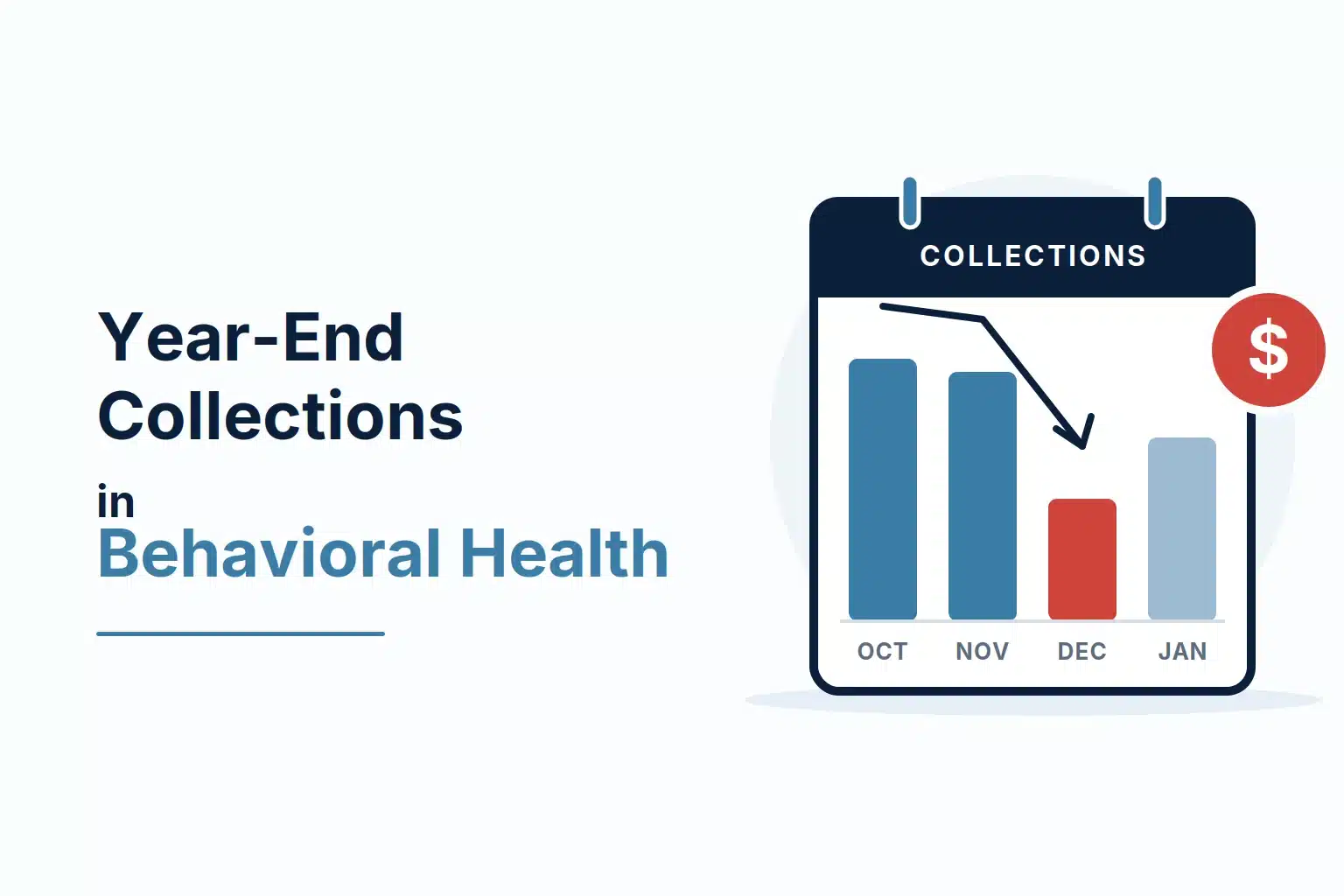
In 2026, commercial payers are increasing audit volume, tightening medical necessity reviews, and aggressively recouping payments. Audits are commonly triggered by billing patterns, high-dollar services, medical necessity questions, or services that do not match documentation cleanly. Pre-payment audits stop the claim before it pays and focus heavily on medical necessity. Post-payment audits arrive after the money has already moved, and the recoupment demand follows.
For California rehab operators, two service categories carry the most pre-payment risk: residential treatment and PHP. Per-diem rates are high, length-of-stay variability is significant, and medical necessity standards under ASAM criteria require concurrent clinical documentation. A pre-payment audit on a thirty-day residential stay can hold tens of thousands of dollars in receivables for weeks while the payer reviews records.
Even compliant clinics are pulled into these audits. Volume alone, or a billing pattern that diverges from a payer’s specialty average, is enough to trigger a review. The audit is not an accusation. It is an operational expectation.
The operators who navigate this well share three traits. They document medical necessity concurrent with treatment, not retroactively. They maintain audit-ready records by patient episode. And they respond to audit requests with structured, complete documentation packages within the payer’s response window.
SB 855 Parity Disputes Are Driving Tighter Review Criteria
California’s mental health parity law, SB 855, took effect in 2021 and raised the bar on what commercial plans must cover for behavioral health and substance use disorder treatment. The law requires commercial plans operating in California to cover medically necessary treatment under generally accepted standards of care, which closed several of the loopholes commercial payers had previously used to deny mental health and SUD claims.
The operational consequence in 2026 is two-sided. On the clinic side, SB 855 has given operators stronger appeal leverage than federal MHPAEA alone provides. Denial overturn rates on commercial behavioral health claims have improved for clinics that cite SB 855 language directly and document medical necessity against generally accepted standards of care.
On the payer side, commercial plans have responded by tightening their pre-payment review criteria. The medical necessity language plans now apply on the front end is stricter, the documentation they require is more specific, and the questions they ask during utilization review are sharper. The net effect for clinics is that the appeal leverage on the back end comes with higher documentation friction on the front end.
For California rehabs, this means concurrent documentation is no longer optional. Treatment plans, progress notes, and level-of-care decisions need to anticipate the medical necessity questions a commercial reviewer will ask, and they need to do it in real time, not in response to a denial.
Marketplace Plans Are Narrowing Networks and Tightening Authorization
California’s Covered California Marketplace covers a large share of the state’s commercially insured population, and Marketplace plans behave differently from employer commercial plans on behavioral health benefits. Networks are narrower. Authorization criteria are tighter. Length-of-stay decisions are made by reviewers whose criteria are not always transparent. Out-of-network reimbursement, when it happens at all, is subject to more disputes.
The trend through 2025 and into 2026 is that Marketplace plans are pulling further away from employer commercial benchmarks on behavioral health utilization management. Authorization denials that would not stand up against an employer plan are routine on Marketplace claims. Per-diem rates negotiated with Marketplace carriers run lower. Pre-payment review activity is higher.
For California rehab operators with significant Marketplace volume, this changes the operational math. Authorization submissions need to be tighter. Single case agreement negotiations need to account for the lower reimbursement baseline. Appeals strategy needs to anticipate the specific medical necessity criteria each Marketplace carrier applies, which differ from how the same carriers handle employer commercial claims.
The clinics that protect revenue against this pressure tend to track Marketplace plan behavior separately from employer commercial, build authorization submissions against the narrower criteria, and treat Marketplace denials as a distinct workflow rather than a subset of general commercial appeals.
State Enforcement Around Patient Brokering Reshapes Operational Expectations
California’s enforcement environment around the behavioral health treatment industry is the strictest it has been in a decade. Patient brokering convictions, kickback prosecutions, and Insurance Commissioner enforcement actions have been steady features of the California rehab landscape for years. Legislative activity around sober living homes and SUD treatment facility regulation, including reintroduced bills aimed at strengthening local enforcement of patient brokering and postdischarge housing rules, has kept the regulatory direction clear even when specific bills have stalled.
The impact on compliant operators is indirect but real. Increased state enforcement raises the documentation bar for the entire industry. Operators who once relied on lighter compliance practices are forced to upgrade or exit. Payers, watching the enforcement environment, tighten their own audit criteria. Site visits and credentialing reviews become more rigorous. The compliance overhead for legitimate California rehabs goes up across the board, even for clinics that have never been investigated.
The practical operational shifts that follow are predictable. Marketing and admissions teams face new restrictions on referral source documentation. Sober living relationships require formal contractual separation from clinical services to avoid Anti-Kickback Statute exposure. Insurance verification protocols add a fraud-screening layer that did not exist five years ago. Credentialing files, which used to be a once-a-year maintenance task, now require continuous attention as payers tighten their re-credentialing reviews in response to the broader enforcement climate.
Operators in California should expect compliance scrutiny to be a permanent operational factor, not a phase to wait out.
What Compliant Operators Are Doing Differently in 2026
The four pressure sources above are not independent. They compound. A high-volume appeal pattern under SB 855 can prompt a commercial payer to escalate pre-payment review across an operator’s book. A patient brokering enforcement action against a competitor can prompt a payer to add the entire region to a watch list. A Marketplace denial pattern can spill into employer commercial reviews at the same parent carrier. The operational defense has to be built ahead of the scrutiny, not in response to it.
Five disciplines define how compliant California rehab operators are protecting revenue in 2026:
- Documentation written to audit standards in real time, not retrofitted before submission.
- ASAM criteria explicitly cited and tied to level-of-care decisions in clinical records.
- Concurrent utilization review that runs alongside treatment, not at discharge.
- Audit-ready record packaging by patient episode, retrievable within payer response windows.
- Pre-submission claim review that catches modifier errors, telehealth coding gaps, and medical necessity gaps before claims leave the clinic.
None of this is exotic. It is the documentation and revenue cycle discipline that holds a behavioral health revenue operation together. The operators who build it ahead of scrutiny absorb less recoupment and recover faster from the scrutiny that does land.
Final Thoughts
California commercial billing scrutiny is not a temporary tightening. Commercial payer analytics are improving. SB 855 has permanently shifted the appeal landscape and the payer review response to it. Marketplace plan behavior is structurally different from employer commercial and will stay that way. State enforcement is institutional. For compliant operators, the scrutiny itself is not the problem. The problem is whether the documentation, coding, and revenue cycle infrastructure is built to withstand it.
CodeMax
For California rehab operators rebuilding billing infrastructure to handle higher commercial audit volume, tighter parity-driven medical necessity standards, and Marketplace authorization criteria, CodeMax provides the billing and compliance depth that protects revenue under scrutiny. Explore CodeMax Billing & Claims Management.
Frequently Asked Questions
Commercial payers use analytics to flag billing patterns that deviate from specialty norms. Pre-payment and post-payment audits in 2026 are routine. High-dollar services, medical necessity gaps, and documentation that does not match coding are the most common triggers. Volume alone can pull compliant clinics in.
A pre-payment audit holds a claim before payment while the payer reviews medical records for medical necessity and coding accuracy. For residential and PHP claims, this can hold tens of thousands in receivables for weeks. Audit-ready records and fast response windows reduce the impact.
SB 855 requires commercial plans operating in California to cover medically necessary treatment for mental health and substance use disorders under generally accepted standards of care. Clinics that cite SB 855 directly in appeals see higher overturn rates. Payers have responded by tightening pre-payment review criteria, so concurrent documentation has become more important on the front end.
Marketplace plans run narrower networks, tighter authorization criteria, and lower negotiated rates than most employer commercial plans. Authorization submissions, single case agreements, and appeals all need to be built against the specific Marketplace carrier's criteria rather than the broader commercial standard.
Document medical necessity concurrent with treatment, run utilization review alongside care, maintain audit-ready records by patient episode, and review claims pre-submission for modifier errors and medical necessity gaps. The operational defense is built before scrutiny arrives, not in response to it.