Medical Billing
Are You Ready to Reverify Every Patient for the New Year?
Key Takeaways: January is the one point in the year when a large share of patients’ insurance changes at once, including for patients already in

Key Takeaways: January is the one point in the year when a large share of patients’ insurance changes at once, including for patients already in
Key Takeaways: Changing your facility’s bank account triggers payer verification before a new EFT enrollment is approved, and payments can be held, or routed to
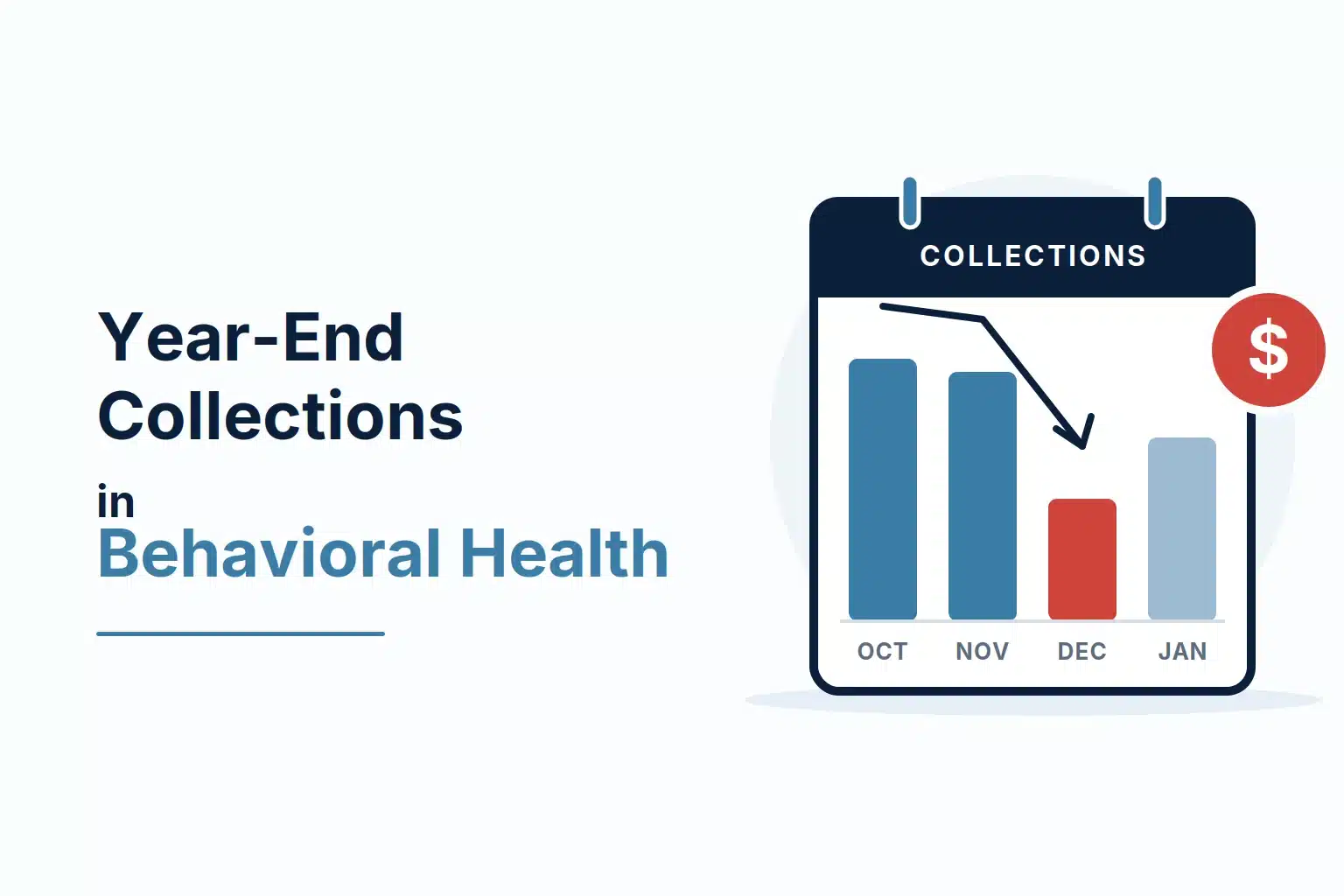
Key Takeaways: The year-end collections dip in behavioral health is predictable. Payer slowdowns, billing staff time off, tighter review, and timely filing deadlines all land
Key Takeaways: A behavioral health provider credentials with the Blue plan in the state where it delivers care, not with every plan whose members it
Key Takeaways: A single case agreement covers one admission or treatment episode at a negotiated rate. Signing it is roughly the halfway point, because a
Key Takeaways: CARF accreditation proves a program is capable of delivering a level of care. It does not prove that an individual patient required that
Key Takeaways: Complete behavioral health notes still get downcoded because payers grade documentation against medical necessity criteria sets the facility cannot see and cannot confirm
Key Takeaways: The 2024 Final Rule modernized 42 CFR Part 2 and aligned it with HIPAA. As of February 16, 2026, all Part 2 programs
TL;DR: A payer medical record audit is a request from an insurer or Medicaid program to review the clinical documentation behind a paid or pending
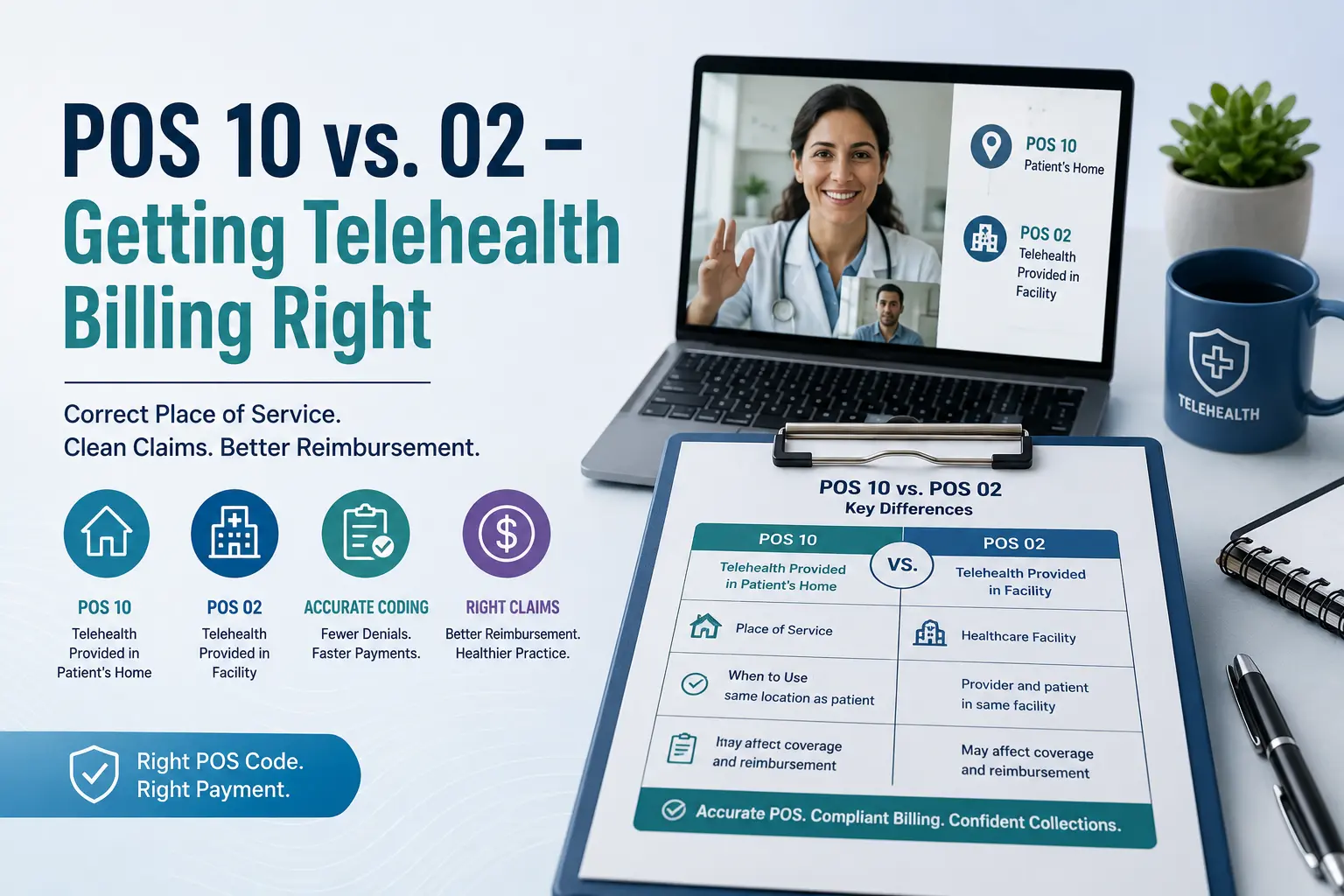
TL;DR: What POS 10 and POS 02 actually mean, and why the one-digit difference changes the reimbursement rate The CMS rule change that settled how
TL;DR: What “good” software needs to do now that denial rates and payer requirements have shifted The 8 core processes every behavioral health billing system
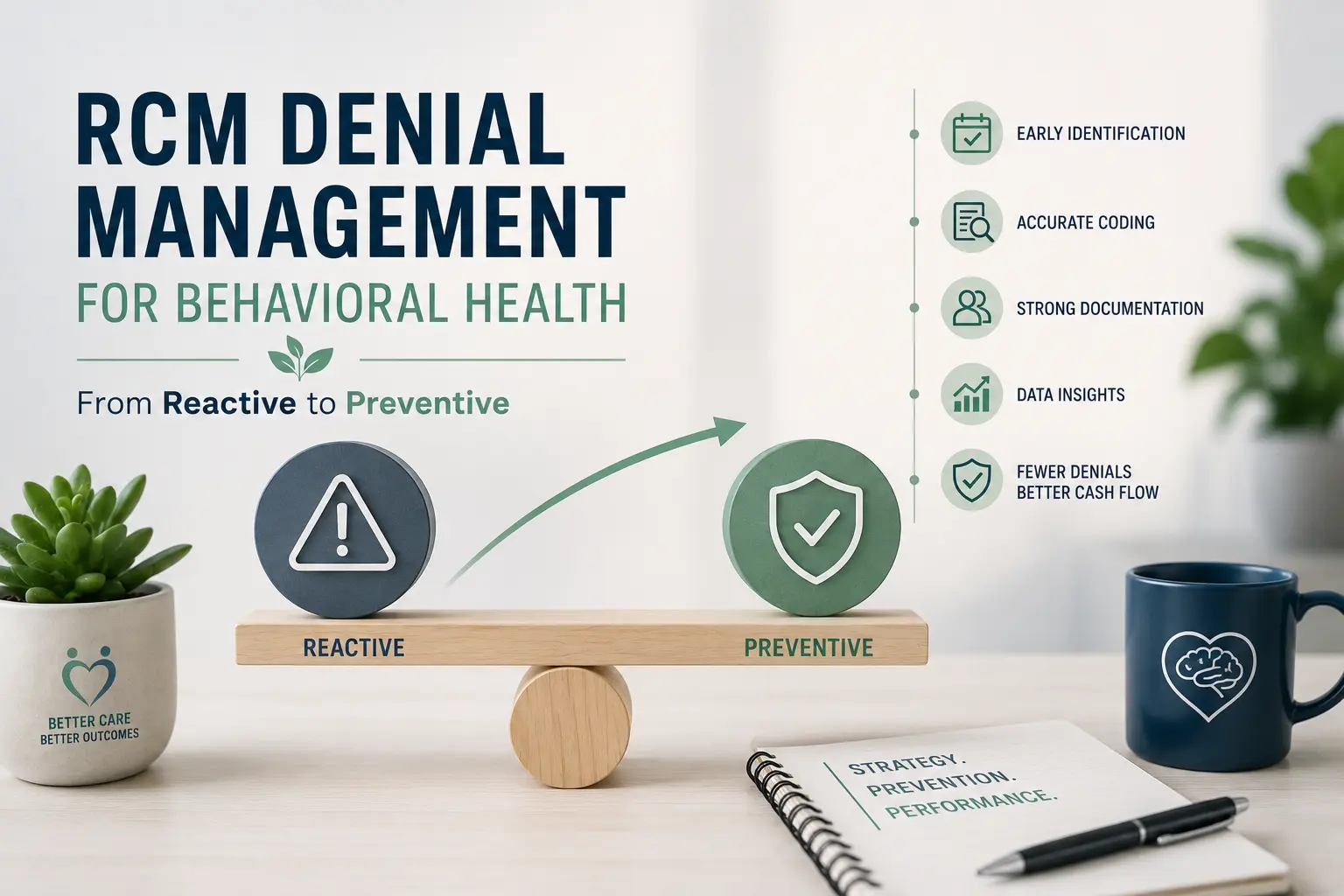
TL;DR: Reactive denial management fixes claims after they’ve already been denied. Preventive denial management stops the denial from happening. This piece covers: Why reactive denial