Key Takeaways: January is the one point in the year when a large share of patients’ insurance changes at once, including for patients already in your care. Reverifying every active patient before their first January date of service prevents the wave of eligibility denials and surprise patient balances that otherwise surfaces a few weeks into the new year.
- Verification at admission was correct when it was done, and it can stop being correct on January 1.
- Deductibles reset on calendar-year plans, employers switch carriers, and member IDs, networks, and authorization rules can all change with the new plan year.
- The organization managing a plan’s behavioral health benefits can change on January 1, as it did for two BCBS Texas networks and for Blue Shield of California members in 2026.
- Residential and PHP stays that cross January 1 need to be reverified before that date, and payers differ on how they want those stays billed.
- Reverification work should start in December, because claims submitted on outdated information in early January come back as denials in late January.
Every January, insurance coverage changes for a large share of patients at once. Deductibles reset. Employers switch carriers. Plans change their networks and their rules. And the insurance information in your system still shows what was true in December.
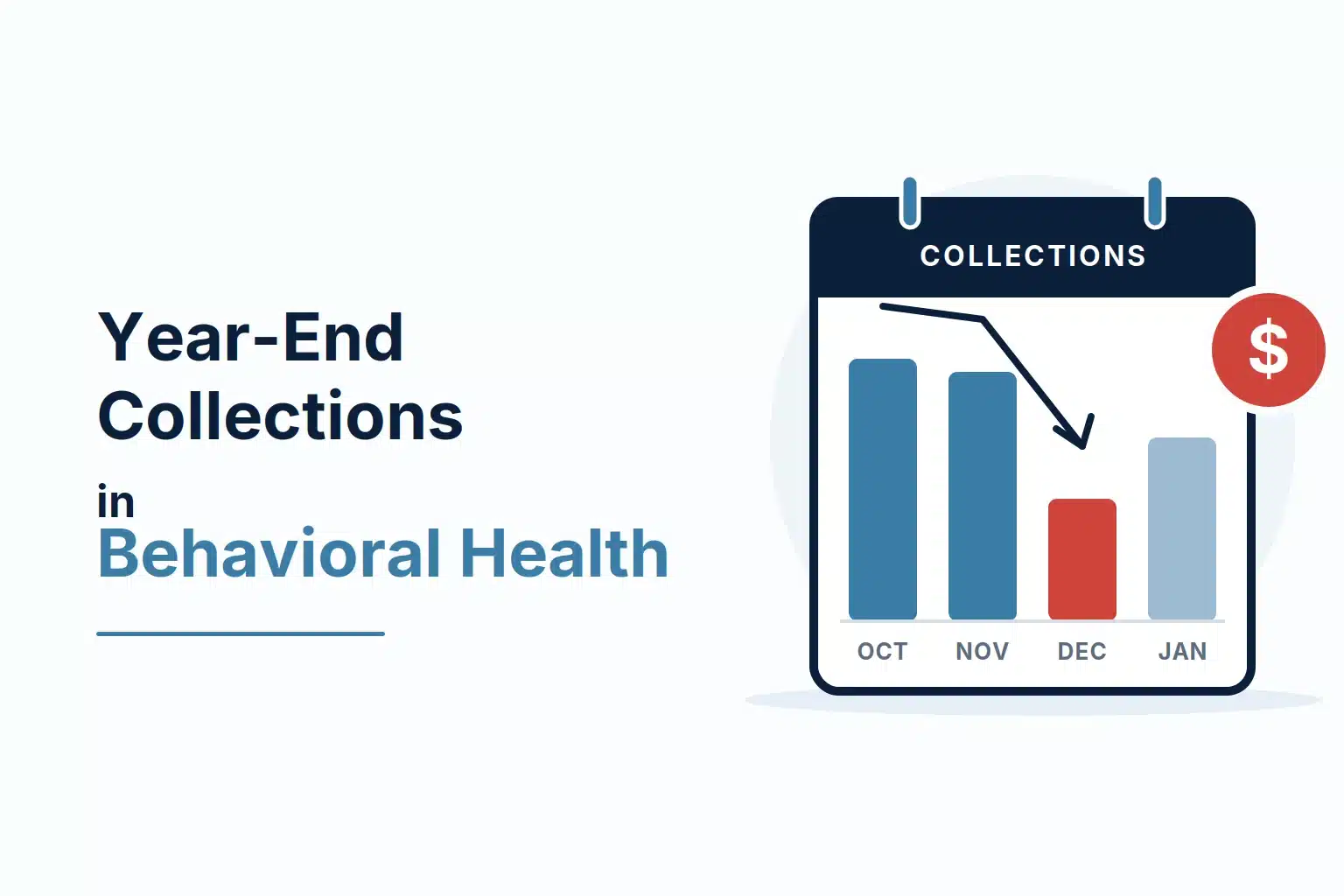
For a behavioral health facility, that gap turns into denied claims and patient balances nobody can collect, usually a few weeks into the new year when the first January claims start coming back.
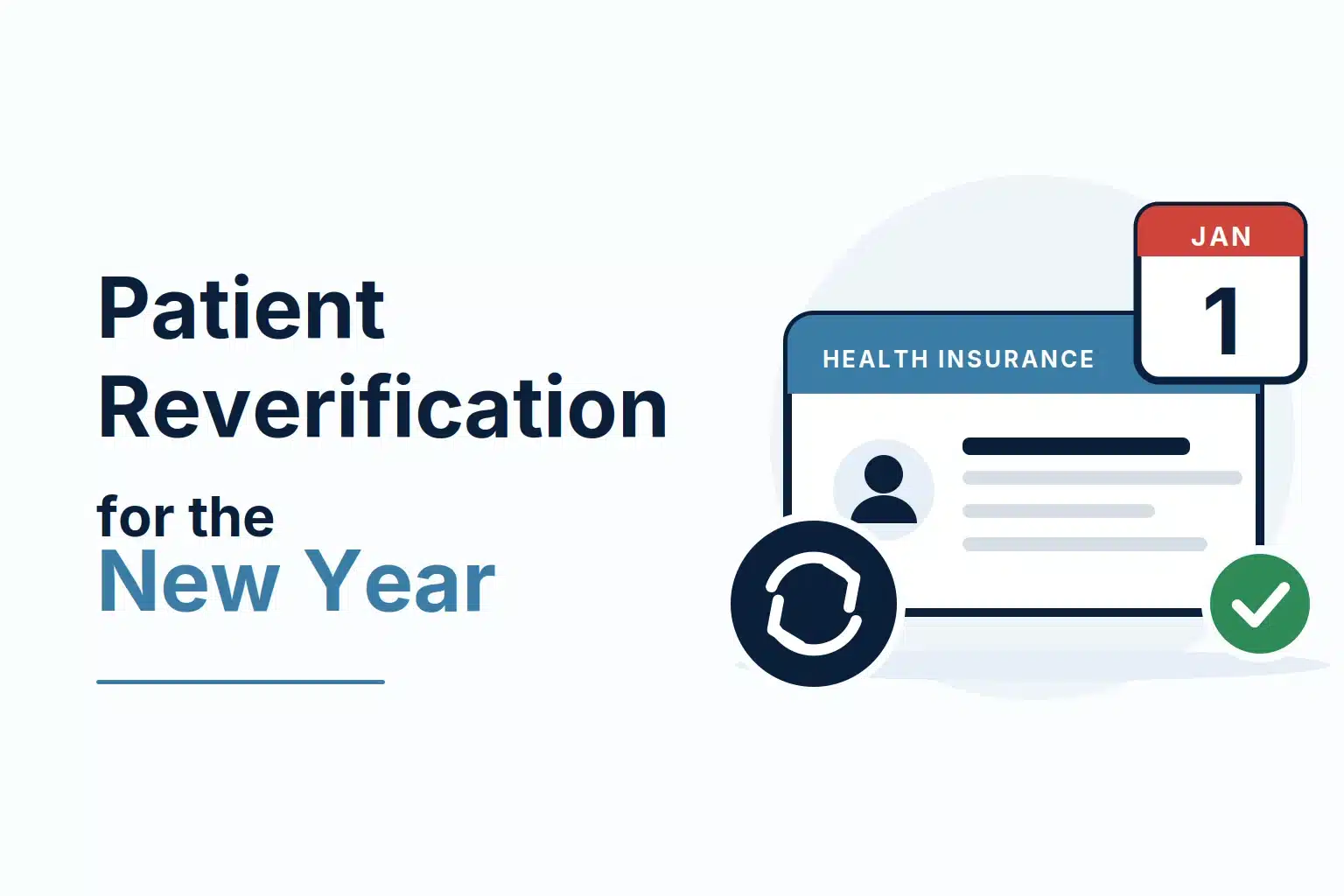
Reverification means confirming that a patient you already verified is still covered the same way. It matters most in January, because deductibles reset on calendar-year plans, employers change carriers after open enrollment, and member IDs, networks, and authorization rules can all change on January 1 for patients already in treatment.
The fix is not complicated. It is reverifying every active patient’s eligibility before their first January date of service, rather than assuming last year’s verification still holds.
Verification at admission is not the same as reverification
Most facilities are good at verifying insurance when a patient is admitted. That is a well-established step, and we covered how to do it well in our piece on the insurance verification process in behavioral health.
Reverification is a different job. It is checking, again, that a patient you already verified is still covered the same way. Most of the time between admissions, nothing changes, so reverification feels unnecessary. January is the exception. It is the one point in the year when a large number of patients’ coverage changes at the same time, and it happens to patients who are already in your care.
That is what makes it easy to miss. The verification was done. It was correct. It just stopped being correct on January 1.
What changes in January
- Deductibles reset: For plans that run on the calendar year, deductibles and out-of-pocket maximums reset on January 1. A patient who met their deductible in October and owed very little for December care may owe the full deductible again for January care. What the patient owes changes overnight, even though nothing about their insurance card does. Not every plan runs on the calendar year. Some reset on a plan year that starts in a different month, which is exactly why this needs to be checked rather than assumed.
- Employers change plans: After open enrollment, employers switch carriers, change plan designs, or move employees to different products. A patient can have entirely new coverage in January and still hand you last year’s card, because they have not received the new one yet or did not realize it changed.
- Member IDs and group numbers change: Even when a patient keeps the same carrier, a new plan year can bring a new member ID or group number. A claim submitted with the old one can be rejected even though the patient is covered.
- Networks change: A plan you were in network with in December may not include you in January, or a patient may have moved to a product where you are out of network. That changes reimbursement completely and may mean you need a different agreement to be paid at all.
- Authorization requirements change: New plan years can bring new prior authorization rules, and a new plan almost always means a new authorization is needed, even for a patient who is mid-treatment.
- Who manages behavioral health can change: This one is specific to behavioral health and easy to overlook. Some plans hand behavioral health to a separate organization to manage, and those arrangements often change on January 1.
As a recent example, Blue Cross and Blue Shield of Texas took over behavioral health administration from Magellan Healthcare for its Blue Advantage HMO and MyBlue Health members effective January 1, 2026. For dates of service from that day, providers had to verify eligibility, obtain authorization, and submit claims through BCBSTX directly, and confirm they were contracted in those networks. On the same date, Blue Shield of California began administering the behavioral health services Magellan had previously handled. A facility that did not notice would have been billing the wrong organization.

The patient who crosses January 1
This is the situation that makes reverification especially important for behavioral health facilities.
In an outpatient practice, a plan year change affects the next appointment. In a residential program or PHP, it can happen in the middle of a stay.
A patient admitted on December 20 for a 30-day residential stay will cross into the new plan year partway through treatment. On January 1, several things can change at once:
- Their deductible resets, so what they owe for January days is different from what they owed for December days.
- Their plan may change entirely if their employer switched coverage.
- The authorization issued under the old plan may not carry over to the new one.
- The facility’s network status may be different under the new plan.
The stay is continuous. The insurance is not. Treating the admission as one uninterrupted episode for billing purposes, when the coverage behind it changed halfway through, is how facilities end up with January days that do not get paid.
Payers do not all handle a stay that crosses plan years the same way. Some want the claim split at December 31, some apply benefits based on the admission date, and when coverage ends mid-stay, some prior carriers continue covering the stay through discharge. Confirm with each payer how it wants the stay billed before January 1 arrives.
Every patient whose stay crosses January 1 should be reverified before that date, and the January days should be checked against the new plan’s authorization requirements separately from the December days.
What skipping reverification costs
The cost shows up in two places, and both arrive late.
- Denied claims: Claims submitted with outdated insurance information get denied for eligibility, wrong member ID, missing authorization, or out-of-network status. These denials usually appear two to four weeks into January, after several weeks of care have already been delivered on the wrong information. By then, correcting them means rework on every affected claim. Our piece on preventive denial management covers why stopping denials before they happen costs far less than working them afterward.
- Patient balances you cannot collect: If a patient’s deductible reset and nobody told them, they arrive in February to a bill they did not expect. Patient balances are hardest to collect when they are a surprise. Telling a patient in advance what they will owe under their new plan year is far easier than explaining it after the fact.
How to reverify for the new year
- Start in December, not January: Build a list of every active patient, and every patient scheduled to be admitted around the turn of the year. Reverification work that starts on January 2 is already behind.
- Ask patients about coverage changes before January: A simple question at a December session, “Is your insurance changing for the new year?”, catches many employer plan changes before they become denials.
- Reverify every active patient before their first January date of service: Confirm the carrier, the member ID, the group number, the plan, and whether the facility is in network under it.
- Check deductibles and out-of-pocket status: Confirm what the patient will owe under the new plan year, and tell them before care is delivered.
- Confirm authorization under the new plan: For patients mid-treatment, especially at higher levels of care, check whether a new authorization is needed for January dates of service.
- Confirm who manages behavioral health for the plan: Check whether the organization handling behavioral health changed on January 1, particularly for plans that use a separate behavioral health administrator.
- Flag every patient whose stay crosses January 1: Reverify before the change, confirm how the payer wants the stay billed, and check the January days against the new plan year separately from the December days.
A strong verification of benefits process makes all of this faster, because the steps are the same ones used at admission, applied again at the moment coverage is most likely to have changed.
Final Thoughts
January is the one time of year when a large share of your patients’ insurance changes at once, and it changes for patients already in your care. The verification you did at admission was correct. It may not be correct anymore.
Reverifying every active patient before their first January date of service is one of the simplest ways to prevent a wave of denied claims and uncollectable balances. The facilities that do it start the year clean. The ones that do not usually find out in February.
Is your team ready to reverify every patient before January? Learn how our verification of benefits services handle new-year reverification, including stays that cross January 1. Call 866-263-3629 or email info@codemaxmb.com.
You can also speak to a specialist about building a reverification process before the new year.
Frequently Asked Questions
Because a large number of insurance plans change on January 1. Deductibles reset on calendar-year plans, employers switch carriers after open enrollment, member IDs change, and networks and authorization rules can change too. Verification completed last year may no longer be accurate, and claims submitted on outdated information get denied.
Verification confirms a patient's coverage at admission. Reverification confirms that a patient you have already verified is still covered the same way. Between admissions, coverage rarely changes, so reverification is often skipped. January is the exception, because many patients' coverage changes at the same time while they are already in treatment.
No. Plans that run on the calendar year reset on January 1, but some plans run on a plan year that starts in a different month. This is one reason reverification matters: the only reliable way to know when a specific patient's deductible resets is to check their plan.
The stay continues, but the coverage behind it may change. The deductible can reset, the plan can change entirely, the authorization may not carry over, and the facility's network status may be different. Any stay that crosses January 1 should be reverified before that date, with January days checked against the new plan separately from December days.
In December. Build a list of active patients and anyone being admitted around the turn of the year, ask patients about coverage changes before January, and complete reverification before each patient's first January date of service. Starting in January means several weeks of claims may already be submitted on outdated information.
The carrier, member ID, group number, and plan; whether the facility is in network under the new plan; the patient's deductible and out-of-pocket status; whether a new authorization is needed; and, for behavioral health, which organization is managing behavioral health benefits for that plan.